


Best Soulslike Games for Beginners (And Where to Start)
- Apr 17 2026
-

Soulslikes have a reputation problem. The community talks about them like they're exclusive with the whole "git gud" culture, difficulty gatekeeping, the whole thing. The truth is there are soulslikes that welcome new players, teach the fundamentals, and gradually build you up to taking on the hard stuff.
We've been making and playing games for 20 years. We know hard. We also know that the best hard games teach you before they test you. Here's where to start, organized by experience level.
Tier 1 — Your First Soulslike
Start here. These games teach you the vocabulary of the genre without punishing you for not knowing it yet.
Elden Ring
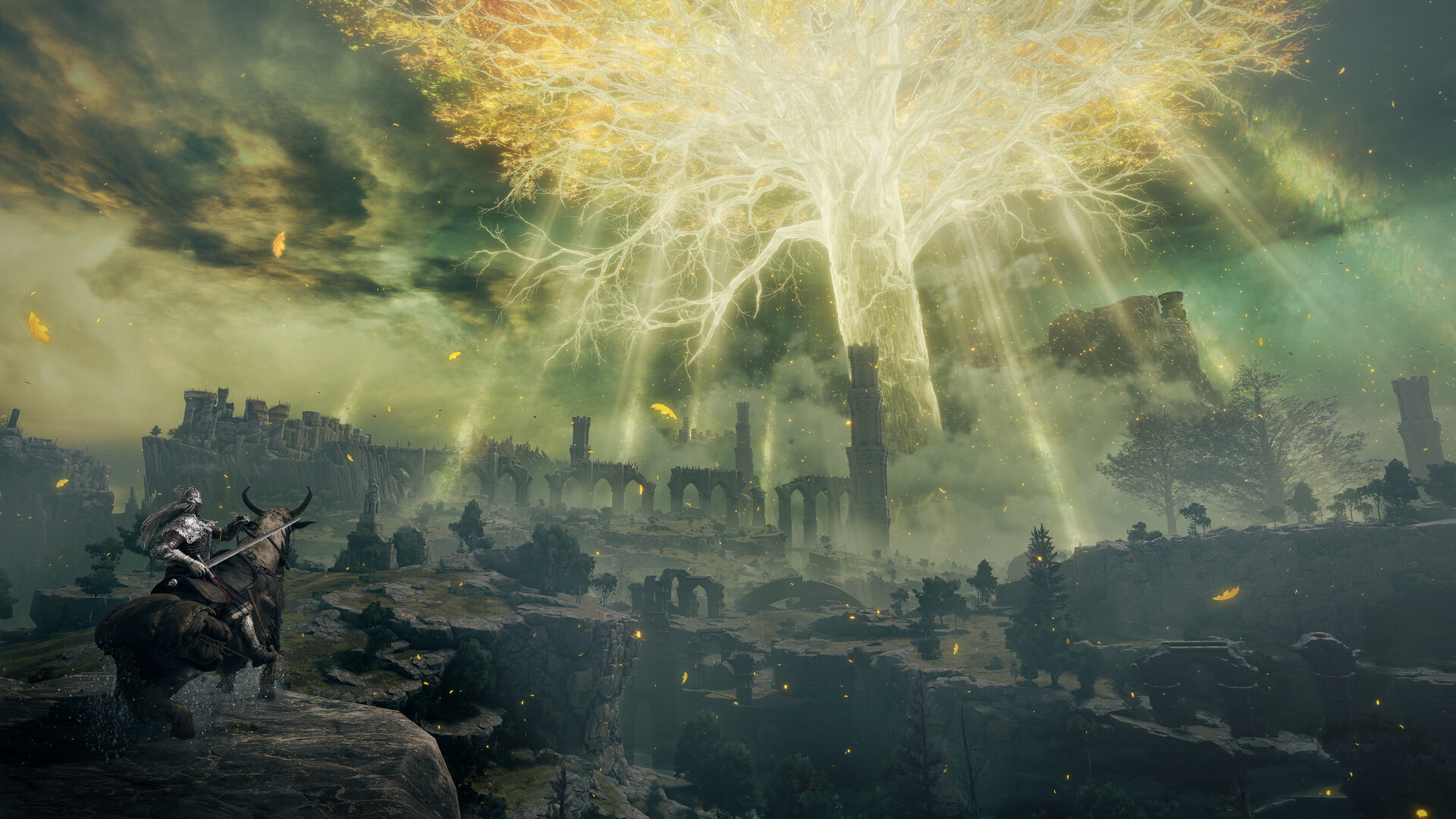
Yes, really. Elden Ring is the most beginner-friendly FromSoftware game because the open world means you can leave a hard area and come back when you're stronger. If a boss is too hard, go somewhere else. The game is designed to let you overlevel and come back. Torrent makes exploration fast. Spirit ashes give you AI companions that draw aggro while you learn boss patterns.
The key insight most beginners miss: Elden Ring is not a boss rush. It's an exploration game with boss fights sprinkled in. If you're hitting a wall, you haven't explored enough. Go find a cave, clear a dungeon, level up, and come back. The world is big enough that there's always somewhere easier.
Difficulty: Approachable. You set your own difficulty by how much you explore before fighting. What it teaches you: Dodge timing, stamina management, when to retreat, and that avoiding a fight is a valid strategy.
Get it on Steam — Elden Ring
Dark Souls III
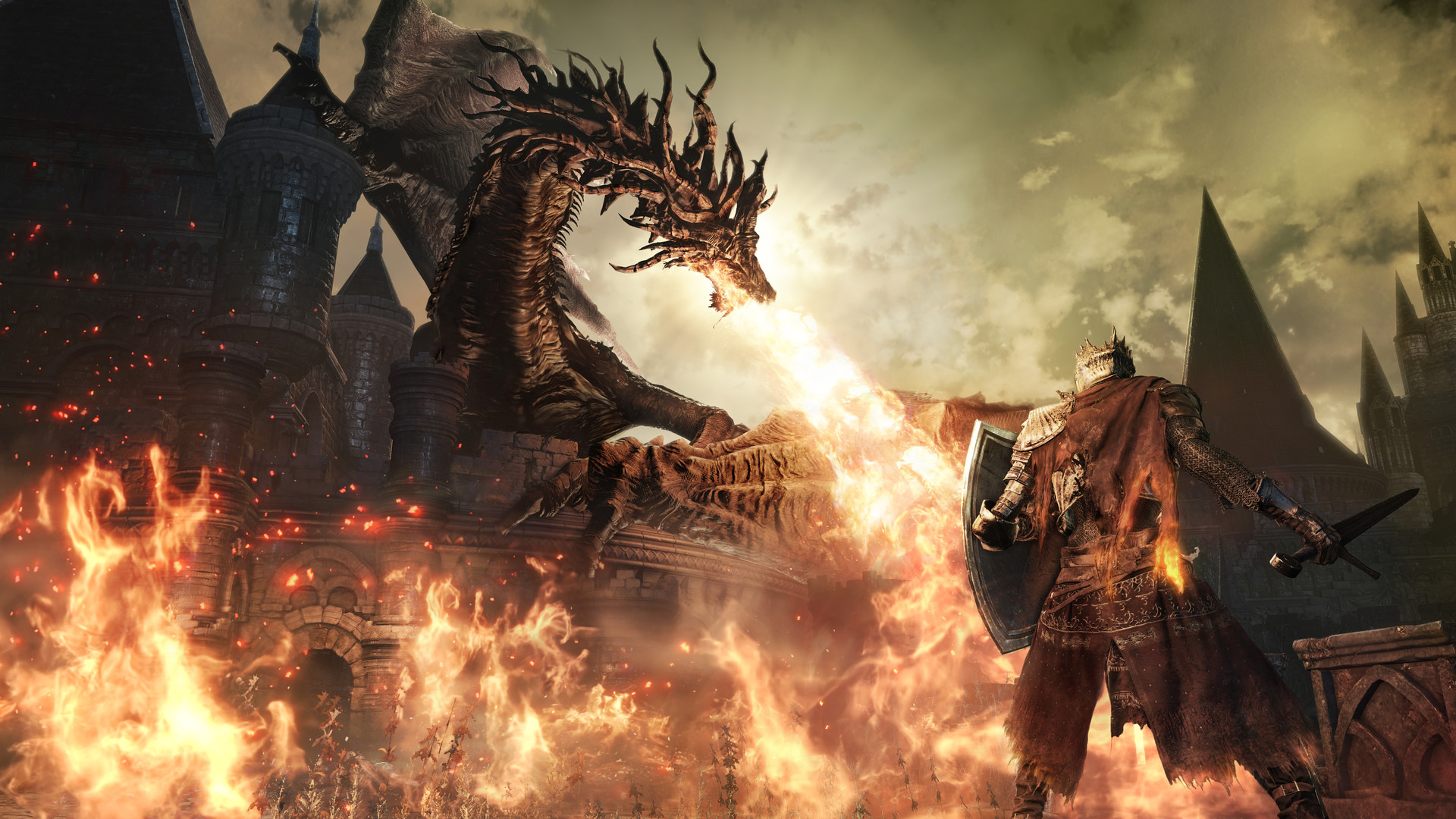
The most accessible of the Dark Souls trilogy. Faster combat than DS1, clearer progression, and fewer "gotcha" traps in level design. The linear-ish early game means you won't get lost for hours wondering where to go next. It's a straightforward introduction to what makes these games tick.
The roll in DS3 is generous. I-frames start early in the animation and the recovery is fast. If you're coming from any action game, the dodge will feel natural within the first hour. The weapon arts system gives every weapon a special move, which means even early-game gear has interesting movesets worth learning.
Difficulty: Moderate. The early game is fair; the late game expects you to have learned. What it teaches you: The classic Dark Souls pace, weapon movesets, and boss patterns.
Get it on Steam — Dark Souls III
Star Wars Jedi: Fallen Order
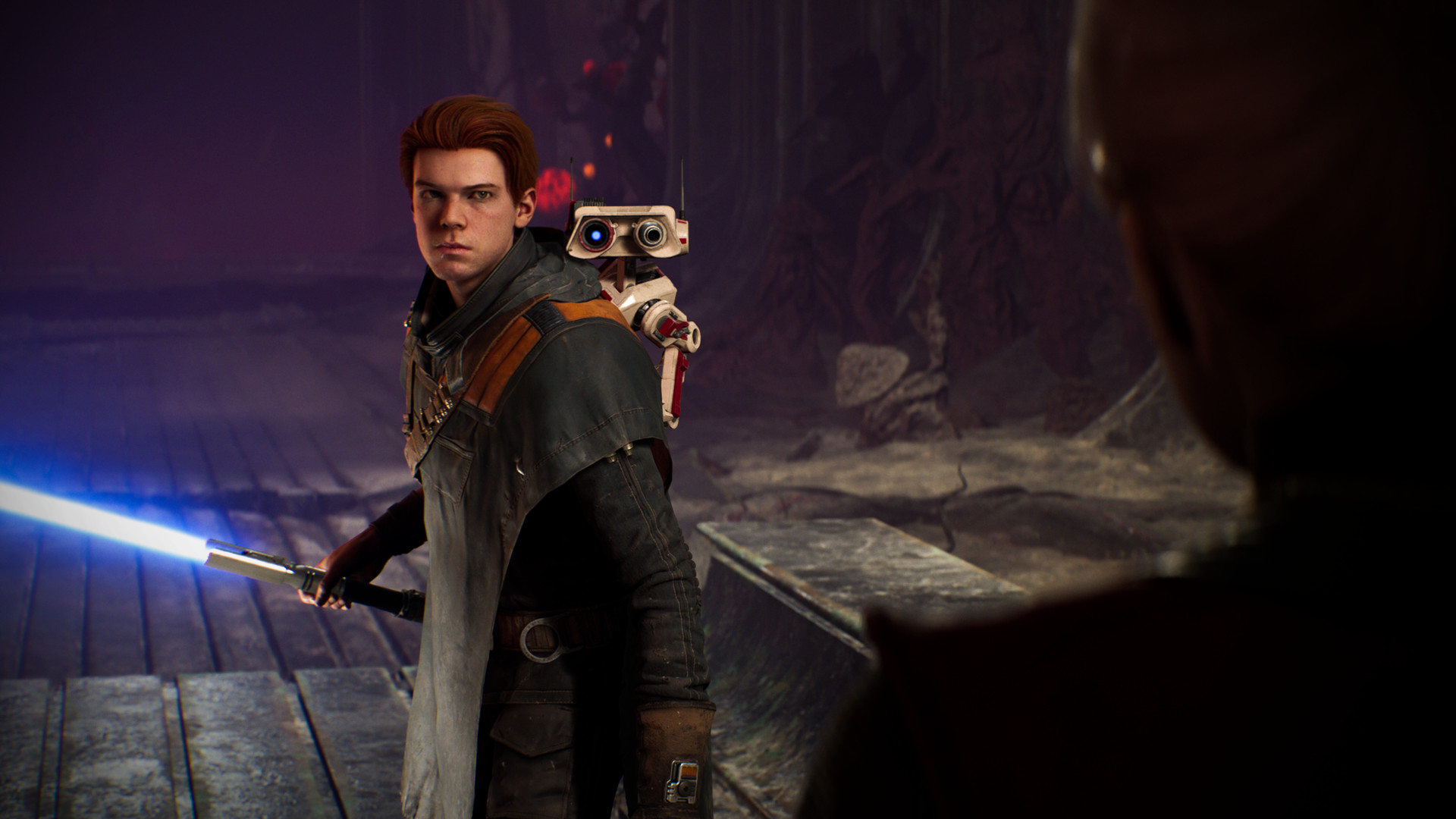
A soulslike with a Star Wars skin and, crucially, a difficulty selector. Put it on Story Mode and you're playing a Star Wars game that teaches you parry timing, dodge windows, and checkpoint recovery without the punishment. Bump it up to Jedi Master when you're ready for the real thing.
What makes Fallen Order work as an entry point is that it meets you where you are. On Story difficulty, you can ignore the stamina system almost entirely and focus on learning attack windows. On Jedi Grand Master, it's as demanding as any FromSoft game. The parry window is the mechanic that scales, easy mode gives you a huge window, hard mode shrinks it to frames.
Difficulty: Adjustable. Story Mode is genuinely easy; Grand Master is not. What it teaches you: Parrying, dodge types, and checkpoint patience in a forgiving package.
Get it on Steam — Star Wars Jedi: Fallen Order
Tier 2 — Ready for More
You've beaten a Tier 1 game. You understand dodging, parrying, and the checkpoint loop. Time to push.
Bloodborne

PlayStation exclusive — PS4/PS5 only
Faster, more aggressive, and less forgiving than Elden Ring. But that aggression is exactly the point, Bloodborne punishes passivity, which unlearns the "wait and react" habit most beginners develop. The rally system (regaining health by attacking back after taking damage) rewards exactly the behavior you need for harder games.
The trick weapon system is the best thing about Bloodborne's combat. Every weapon transforms mid-combo, a longsword becomes a greatsword, a cane becomes a whip, a threaded cane becomes... well, it's already a cane, but it gets a charge attack that shreds beasts. The transformation attacks createCombo chains you wouldn't think possible in a game this deliberate.
Difficulty: Challenging. The framerate on PS4 is rough; play the PS5 back-compat version if you can. What it teaches you: Aggressive play, reading enemy attack patterns, and that sometimes the best defense is offense.
Nioh 2
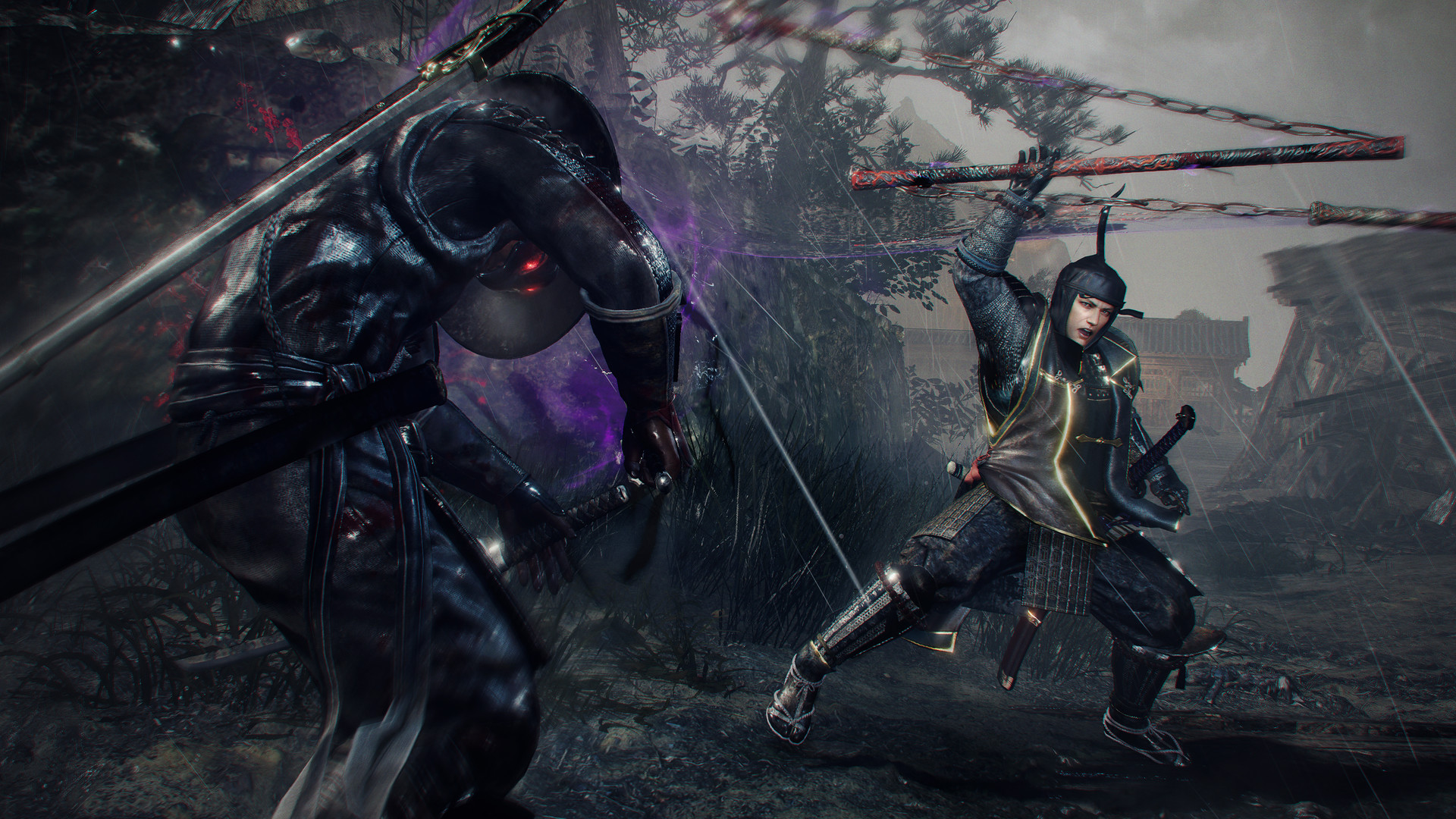
The combat system is deeper than any FromSoftware game. Three weapon types with five stances each, plus Yokai abilities, ki pulses, and burst counters. It's a lot, but the tutorial is thorough and the skill ceiling is absurd. If you want a game that will make you mechanically better at action games in general, this is it.
Nioh 2 is where soulslike stops being a vibe and becomes a fighting game. The ki pulse mechanic, tapping a button at the right time during combat to recover stamina, is the single most important skill. master it and every weapon, every stance, every fight opens up. Ignore it and you'll run out of stamina halfway through every encounter and die wondering what happened.
Difficulty: Hard but fair. The tutorial is genuinely helpful. Read it. What it teaches you: Stance switching, ki management, and how to break a game's mechanics wide open.
Get it on Steam — Nioh 2
Lies of P
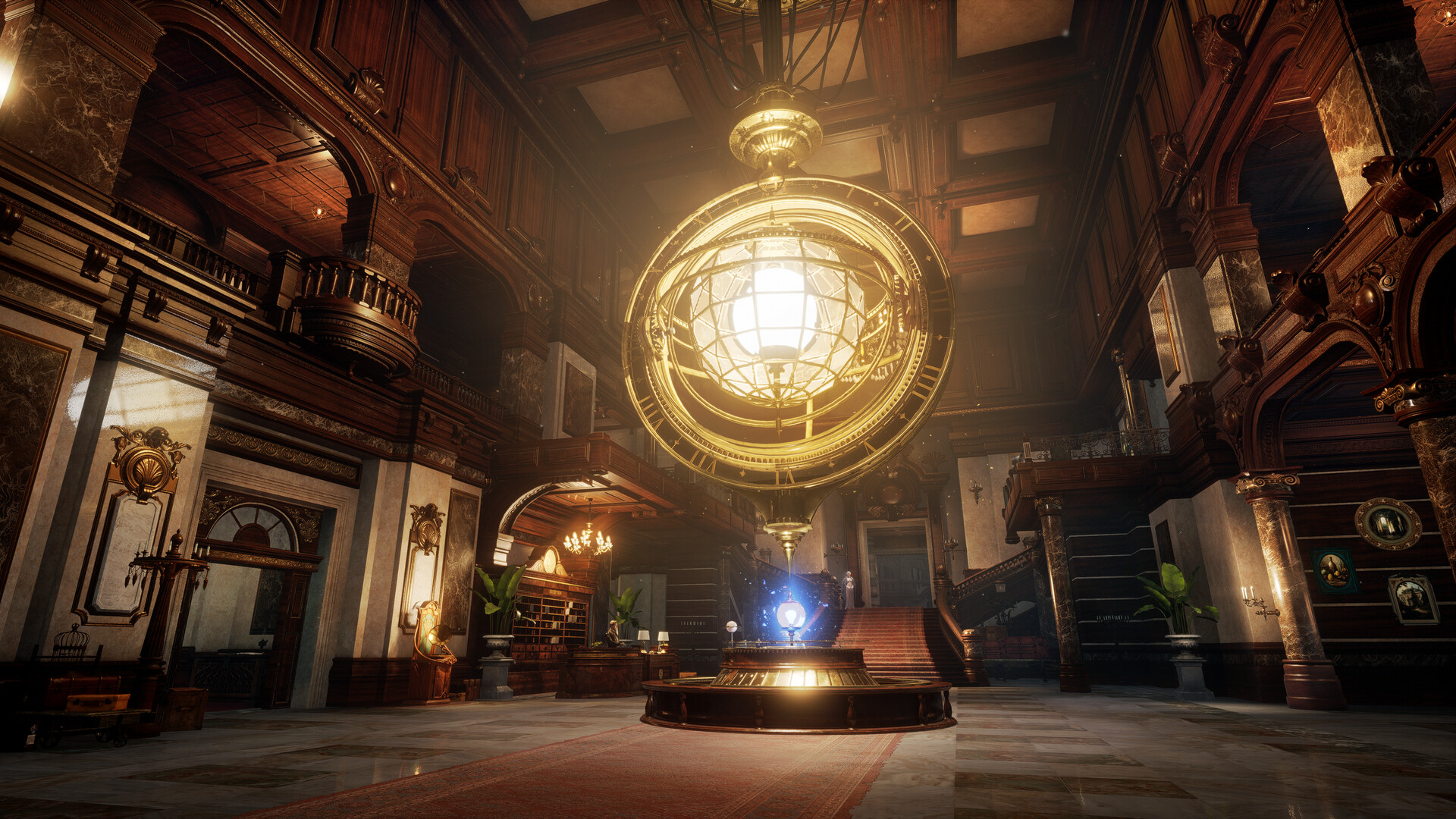
Pinocchio soulslike. Yes, really, and it works. Tight parry windows, satisfying weapon assembly, and the most straightforward level design in any soulslike we've played. It's linear in a way that's actually helpful for learning, you always know where to go next.
The weapon assembly system is the differentiator. Blades and handles are separate, mix any blade with any handle to create weapons that don't exist in any other game. A big heavy blade on a fast handle gives you range with speed. A short blade on a heavy handle gives you fast swings with stagger potential. Experimentation is rewarded and there are no wrong answers, only wrong approaches to specific bosses.
Difficulty: Moderate-hard. The parry timing is strict but consistent. Once you learn a boss's rhythm, it stays learned. What it teaches you: Parry timing and weapon experimentation without getting lost.
Get it on Steam — Lies of P
Tier 3 — Graduating to the Classics
You've cleared the earlier tiers. You understand the genre's language. Time for the real deal.
Dark Souls: Remastered
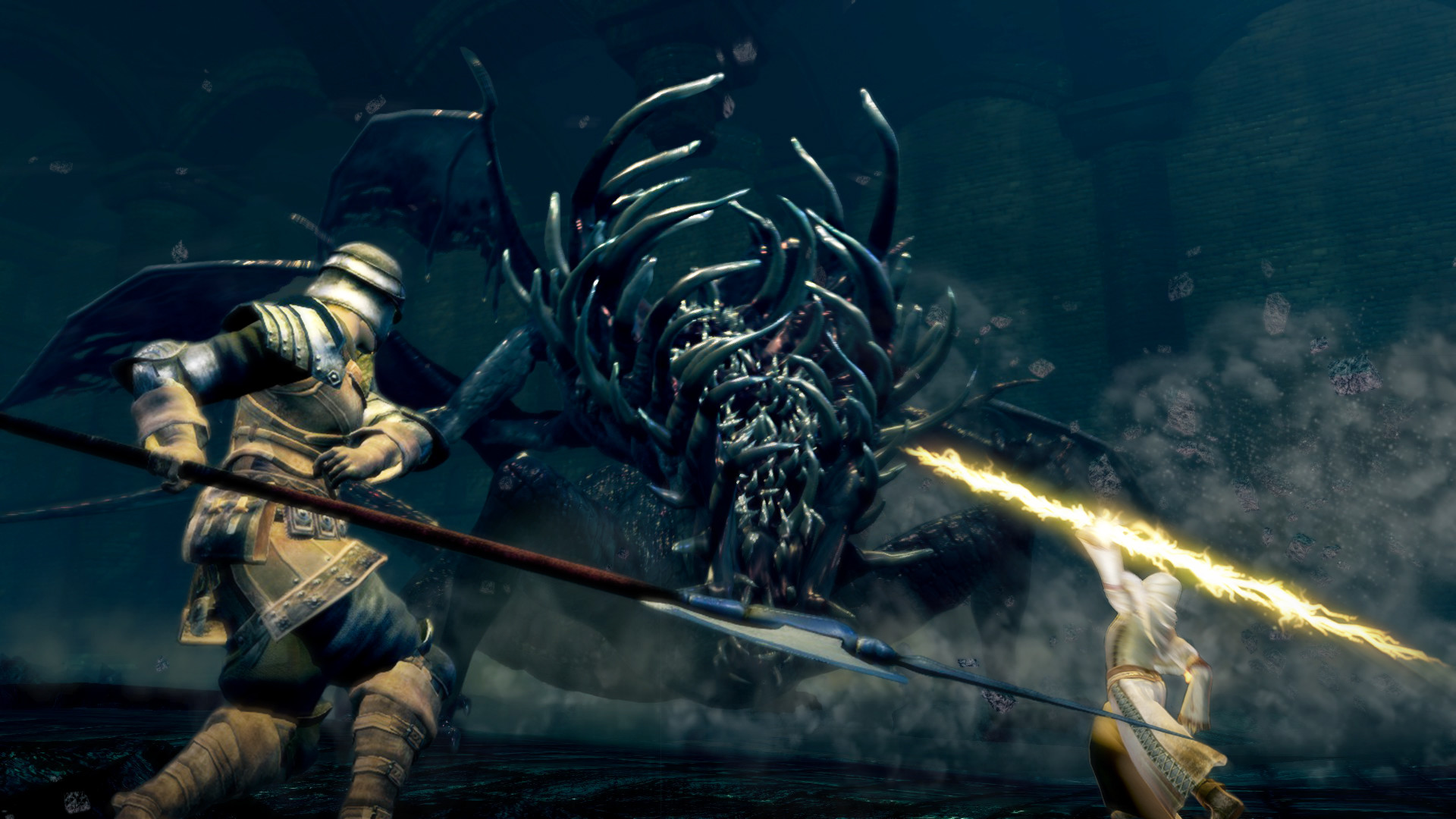
The one that started the genre. The world design is still the best in the series, it's interconnected, surprising, and deeply rewarding to learn. Every shortcut you unlock recontextualizes the map. Firelink Shrine connects to half the game within the first 30 minutes if you know where to look.
The combat is slower and more deliberate than DS3 or Elden Ring, which forces you to think about positioning and commitment. You can't roll out of every mistake. Stamina is scarce early on and every swing is a gamble. That sounds punishing, but it's actually the best teacher, DS1 makes you think about every action because it won't let you spam your way out of trouble.
Difficulty: Hard. The early game is the hardest part. Push through and it opens up. What it teaches you: Patience, commitment, and that the world itself is the best teacher.
Get it on Steam — Dark Souls: Remastered
Sekiro: Shadows Die Twice
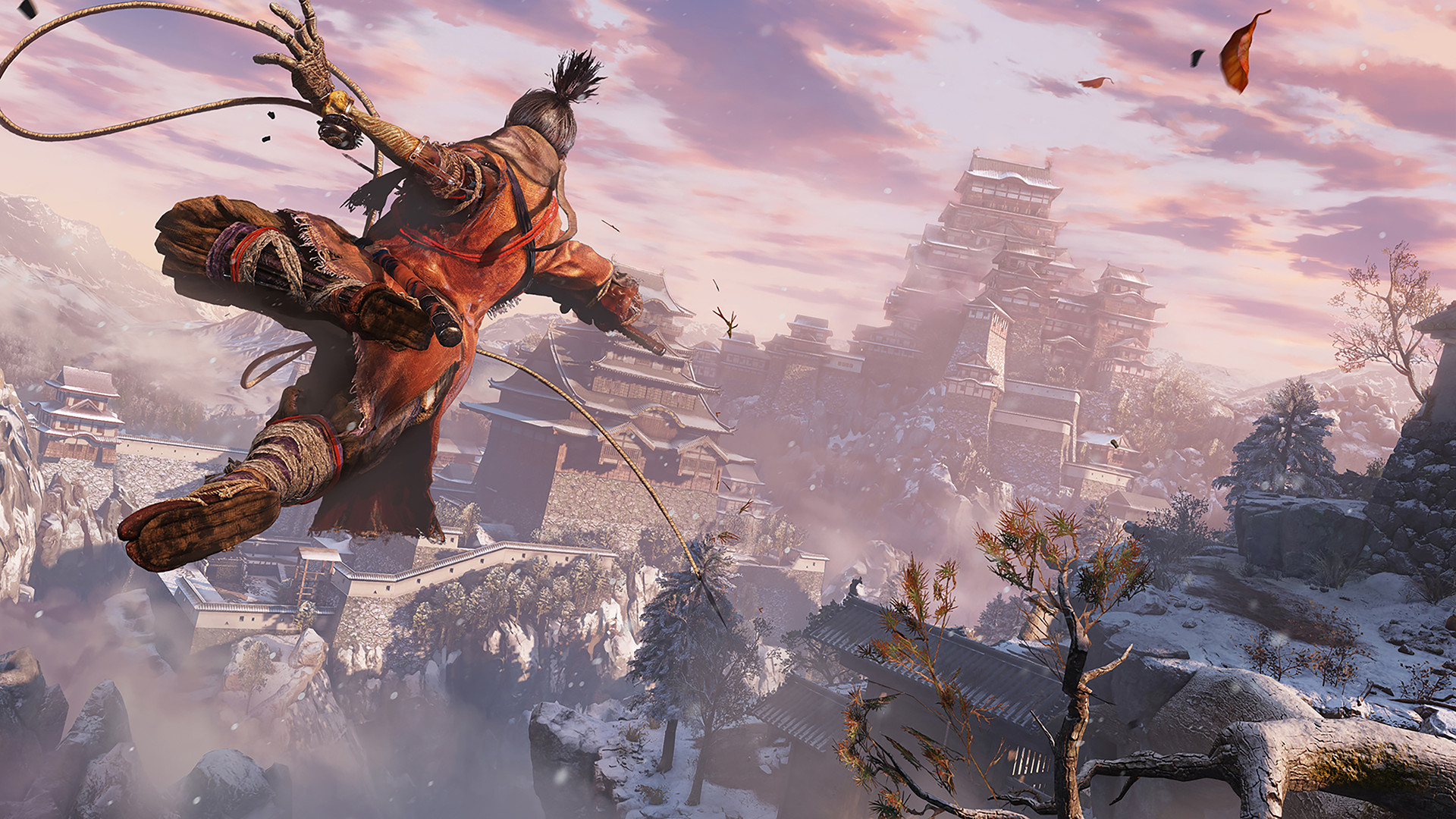
Parry or die. Sekiro removes the crutch of overleveling and build variety, you must learn to deflect, period. There's no respec into a strength build to brute-force a boss. No spirit ashes to draw aggro. Just you, a sword, and the timing window.
This sounds awful. It's actually the most satisfying game on this list. The combat is a rhythm game disguised as an action game. Every boss has a beat, and once you find it, fights that seemed impossible become dances. The problem is finding the beat takes most players 10-20 attempts per boss. If you can't handle dying to the same enemy 15 times before it clicks, Sekiro will frustrate you. But if it does click, nothing else in the genre matches it.
Difficulty: Very hard. The hardest game on this list by a wide margin. Also the most rewarding. What it teaches you: Pure reaction timing, aggression cycling, and the art of not panicking.
Get it on Steam — Sekiro: Shadows Die Twice
Pro Tips for New Soulslike Players
Don't hoard your currency. In most soulslikes, you lose your currency on death. Spend it before boss fights. Level up, buy items, upgrade weapons. A full wallet is a risk, not an achievement.
Learn the dodge first, parry second. Dodging is more universally useful across the genre. Parry timing is game-specific and what works in Sekiro will get you killed in Dark Souls. Get comfortable with the roll, then learn to stand your ground.
Explore. Every soulslike rewards curiosity. The best weapons, shortcuts, and story moments are off the critical path. If the game lets you go somewhere, go there. In Elden Ring specifically, the most powerful items are hidden in caves most players ride past.
It's not you, it's the genre. Early deaths aren't failure, they're the tutorial. Every soulslike player died to the first boss twenty times. That's normal. The game is designed for you to learn by dying. Push through.
Don't look up boss strategies on your first attempt. Fight the boss blind at least once. You'll learn more from one blind attempt than from reading a guide. The guides are there for attempt 15, not attempt 1.
FAQ
What's the difference between a soulslike and a regular action RPG?
Soulslikes have specific DNA: punishment on death (you lose progress/currency), checkpoint-based saves (bonfires, sites of grace, etc.), and combat that demands you learn enemy patterns rather than out-stat them. Not every hard game is a soulslike — Devil May Cry on Dante Must Die is hard but it's not a soulslike because the combat loop and progression work differently.
Which soulslike should I play first?
Elden Ring if you want the most forgiving experience. Dark Souls III if you want the "classic" entry point. Jedi: Fallen Order if you want training wheels with a difficulty slider. All three are valid starting points.
Do I need to play Dark Souls 1 before 2 or 3?
No. The Dark Souls games share a world and lore but each one stands alone mechanically. Dark Souls 3 references DS1 heavily in its story, but you won't be confused playing it first. Start with whichever one sounds most interesting.
Why isn't Demon's Souls on this list?
Demon's Souls is a PlayStation exclusive and the original (2009) is harder to recommend as an entry point in 2026. The PS5 remake is gorgeous but the archaic world tendency system and chunky combat make it a tough first soulslike. Play it after DS1 if you want to see where it all started.
Is "soulslike" just a marketing term now?
Sort of. Everything gets called a soulslike, the same way everything with random elements gets called a roguelike. The label is useful when it means "checkpoint-based, punishment-on-death, pattern-learning combat" and useless when it just means "hard." We're using it in the specific sense.
Can I play these on Switch?
Dark Souls Remastered runs on Switch (it's rough but playable). Jedi: Fallen Order is on Switch via cloud streaming. Everything else on this list requires PC or PlayStation. If Switch is your only option, Dark Souls Remastered and Fallen Order are your picks.
This list is updated quarterly. Last updated: April 2026. See something we missed? Let us know.


