


Best Roguelikes on PC Right Now (April 2026)
- Apr 14 2026
-

Roguelikes have been on a tear for half a decade and they're not slowing down. Slay the Spire 2 just moved 5.3 million copies in its first month. Balatro, a game where you play poker against yourself, sold five million. Hades II keeps shipping updates that would qualify as full DLC from any other studio. If you're not playing roguelikes yet, you're missing the genre that's eating the industry right now.
Here's our definitive list of the best roguelikes you can play on PC; ranked, opinionated, and updated monthly.
1. Slay the Spire 2
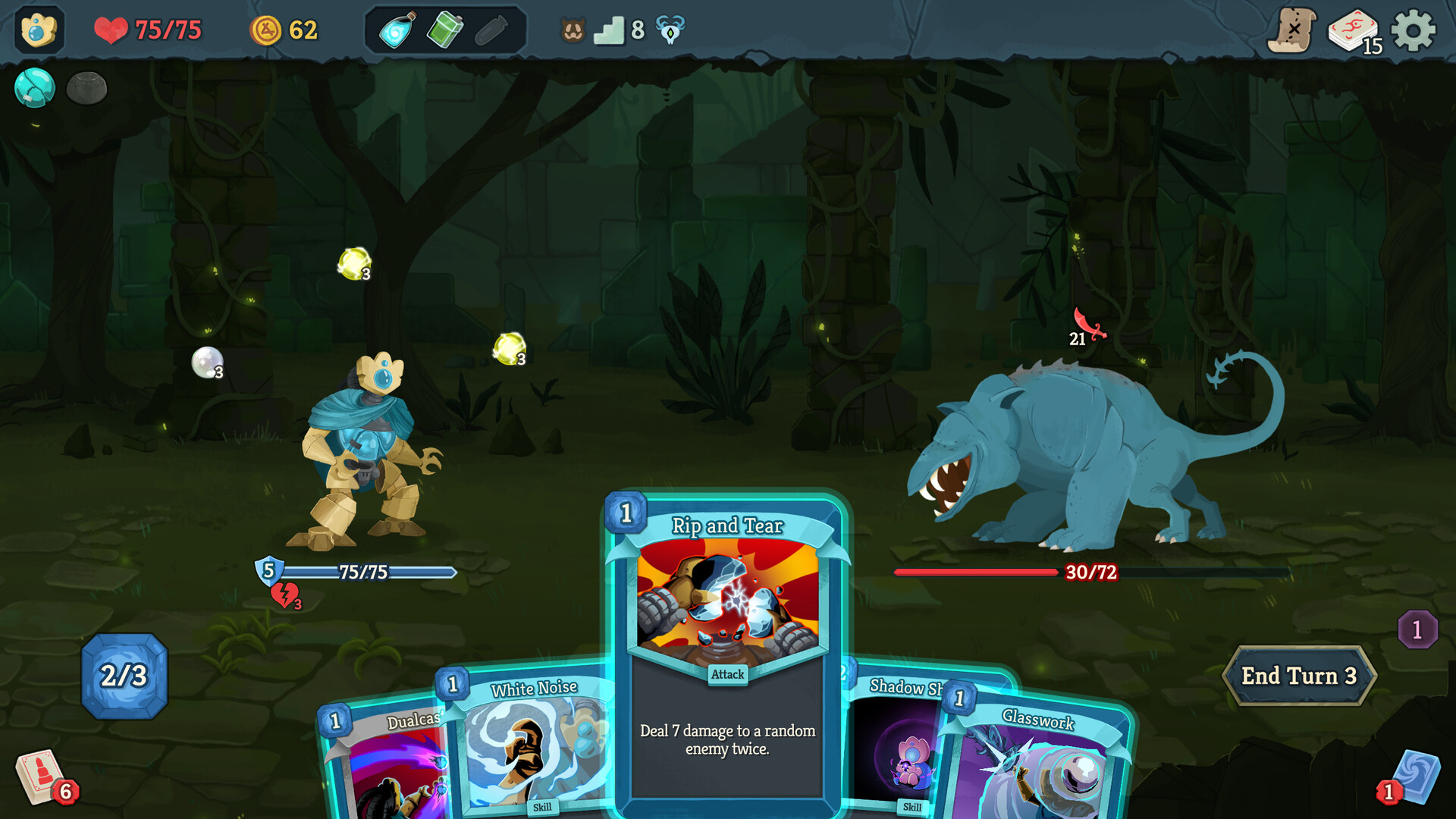
The sequel to the game that defined deckbuilder roguelikes is finally here, and it's the real deal. Mega Crit took their time, six years and a migration from Unity to Godot, and it shows. Two new characters (Necrobinder and Regent), alternate acts with randomized versions per run, and cooperative multiplayer for up to four players. The card design is tighter, the balance is more forgiving, and the build variety is staggering.
The Intents system returns with improvements, enemies still telegraph their moves, but new enemies mix patterns in ways that force you to think two turns ahead instead of one. Early Access launched March 5 and Mega Crit is already shipping weekly patches.
Why it's #1: Still the tightest card balance in the genre, and the best entry point for anyone who hasn't tried a deckbuilder.
2. Hades II
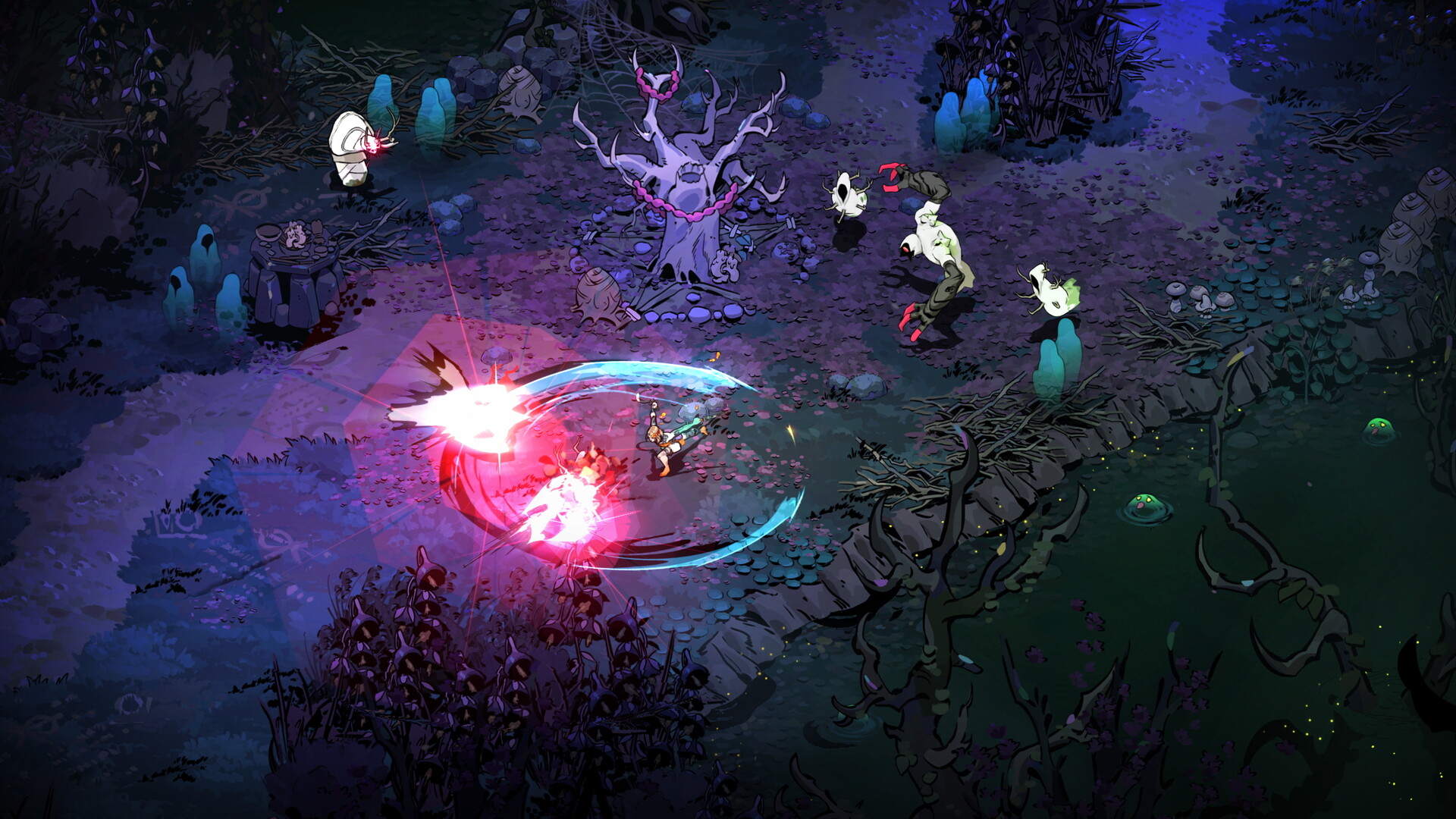
Melinoe's run through the underworld is technically still in early access, but Supergiant keeps shipping updates at a pace that makes you question what magic they have working for them over there. New boons, new areas, new boss fights on the regular.
The combat is as tight as the original, but the meta-progression is deeper. The relationship system, talking to NPCs between runs, unlocking backstory through repeated encounters, remains the genre's best argument that narrative and roguelike design aren't just compatible, they're synergistic.
Why it's here: Supergiant's combat design is untouchable. No one makes you want to die and try again like they do.
3. Balatro
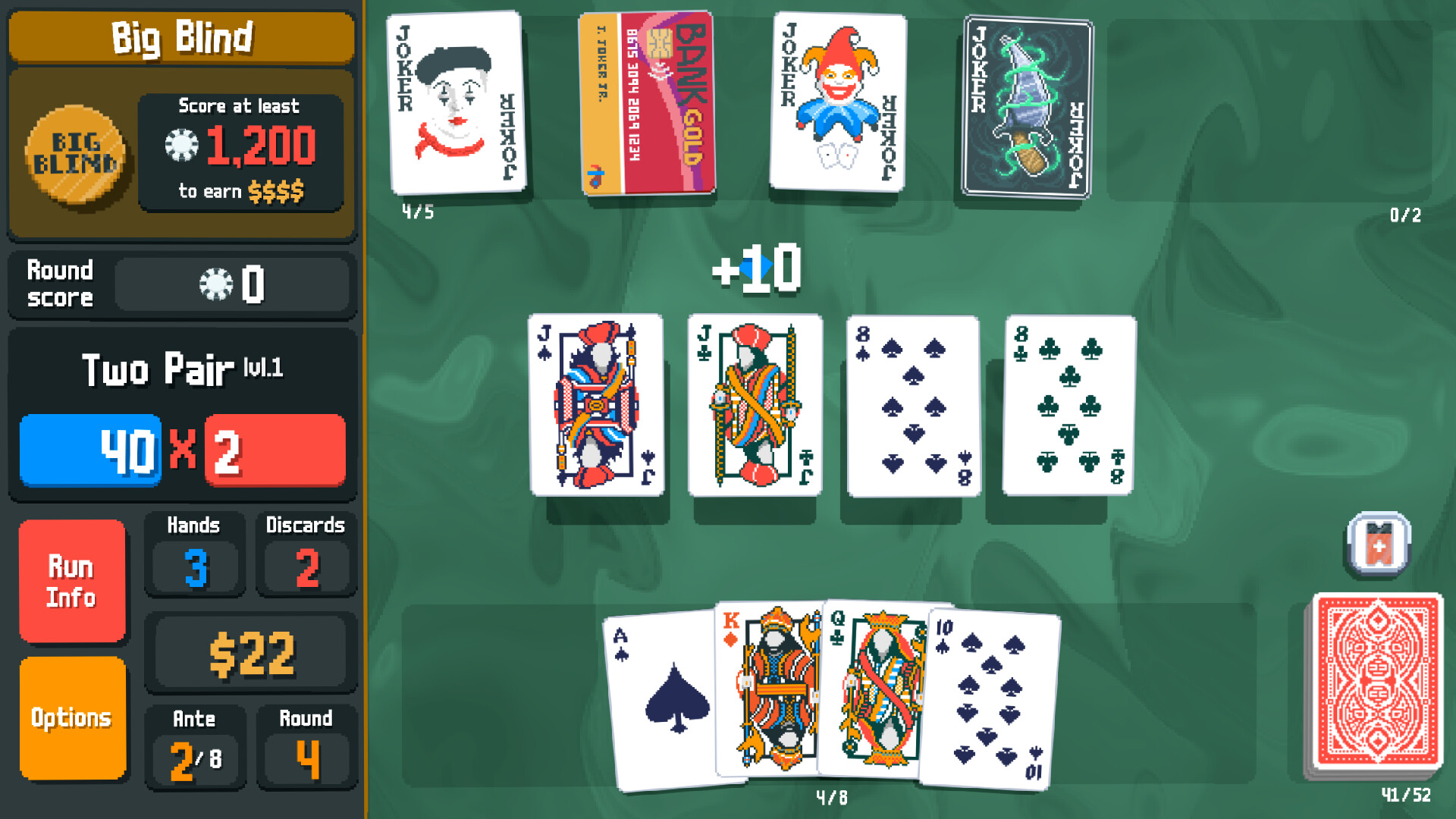
A solo developer from Saskatchewan turned poker into a roguelike and sold five million copies. That sentence shouldn't make sense, but here we are.
Balatro's genius is that you already know the rules before the tutorial starts. You know what a flush is. You know three of a kind beats two pair. The game only has to teach you what's different, the Jokers, the modifiers, the bosses, and then it sets you loose to discover interactions that LocalThunk himself didn't anticipate. The 150+ Jokers were designed to be breakable. Finding a combo that shatters the scoring ceiling isn't a bug, it's the entire point.
Why it's here: Pure dopamine. Every run produces at least one "I can't believe that worked" moment. Also the best gateway drug for people who think they don't like roguelikes.
4. Vampire Survivors

The game that spawned a genre still gets updates, and it's still impossibly addictive. You don't need to think, you move, and the builds happen. Weapons auto-fire, enemies swarm, and two hours evaporate.
But calling it mindless misses what makes it work. The real decision-making is in what you pick up and what you skip. Evolution recipes create genuine strategic choices in the first ten minutes that determine whether your build explodes or fizzles. It's just that the execution layer is frictionless enough that you can play it while watching something else, which is a design achievement, not a flaw.
Why it's here: The most frictionless roguelike experience ever made. Pick it up, zone out, and wonder where your evening went.
5. Hades
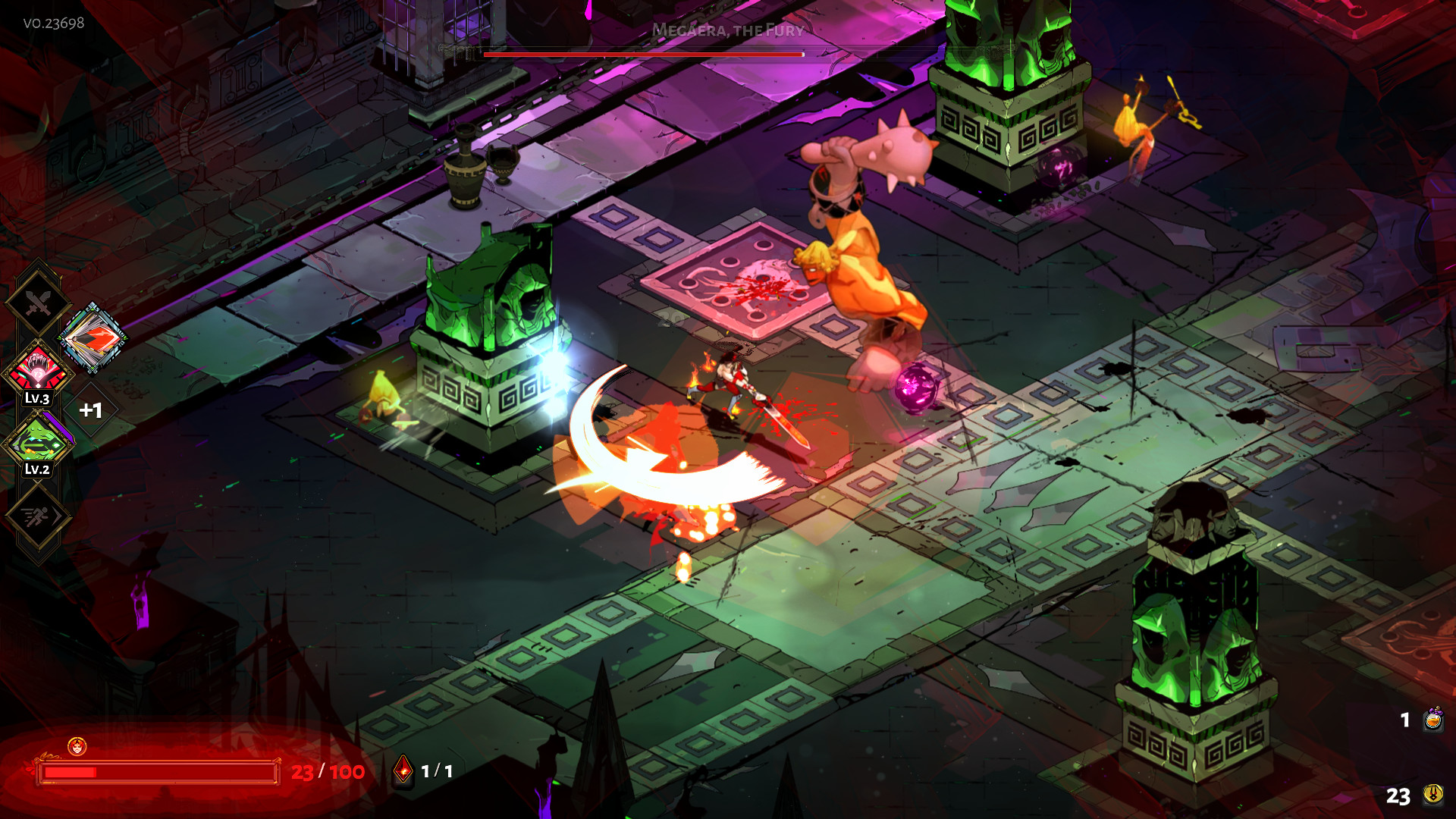
The original still holds up. If you somehow haven't played Zagreus's story yet, and look, the Steam numbers say some of you haven't, there's no better time. The combat is razor-sharp, the narrative arc is one of the best in any game (roguelike or not), and the progression system respects your time.
The boons system lets you experiment wildly without penalty. Every run teaches you something about the weapon you're holding and the god whose powers you're borrowing. By run 20, you're making decisions that would have paralyzed you on run 1, and that's the whole design working exactly as intended.
Why it's here: The gold standard for action roguelikes. If you only play one game on this list, make it this or Slay the Spire 2 depending on whether you prefer cards or combat.
6. Dead Cells
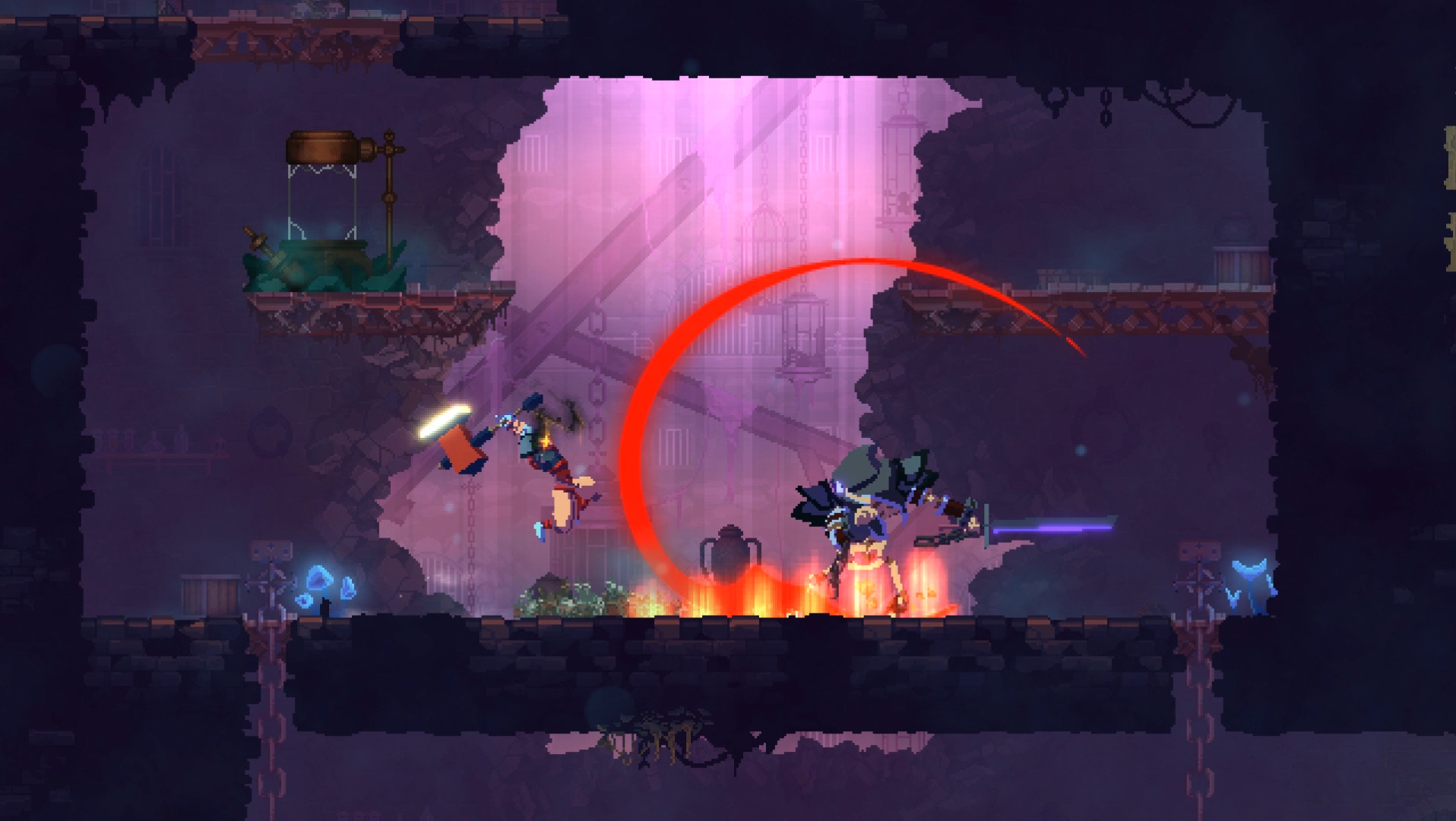
Still receiving updates after all these years. The motion design alone makes this worth playing, fluid combat, satisfying parries, and enough weapon variety to keep you experimenting for a hundred hours.
Dead Cells lives in the space between action roguelike and Metroidvania. The runs are faster than Hades, the combat is more technical, and the skill ceiling is higher. If Hades is about mastery through knowledge, Dead Cells is about mastery through execution.
Why it's here: Best-in-class combat feel in a side-scroller roguelike. Pure dopamine when a run clicks.
7. Inscryption
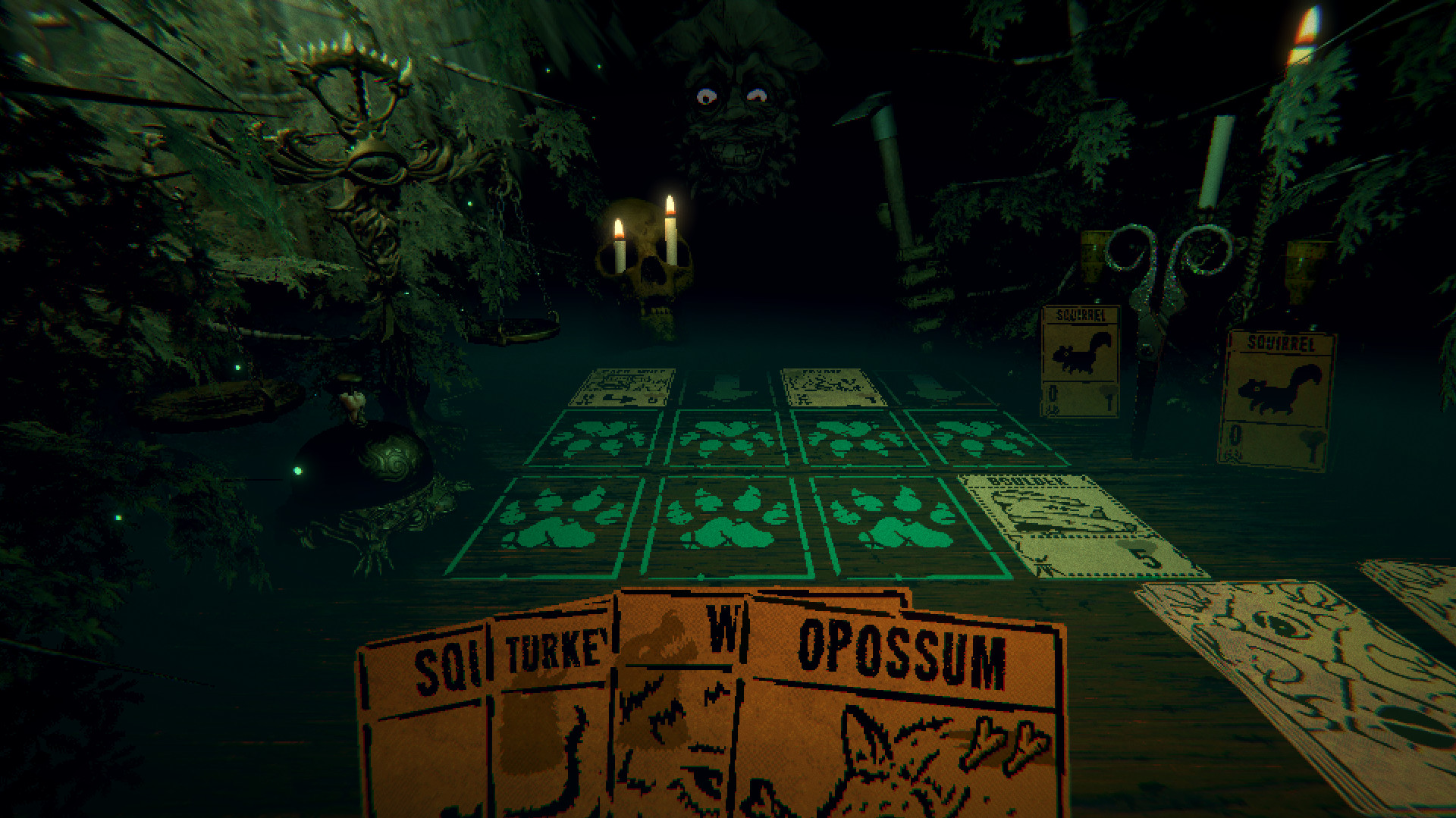
Part deckbuilder, part horror, part escape room. Daniel Mullins made something that shouldn't work, and it absolutely does.
The less you know going in, the better. That's not a cop-out, the game's central trick depends on subverting expectations, and it does it more than once. What starts as a cabin-based card game turns into something you'll be thinking about for weeks after the credits roll. It's one of the few games on this list that genuinely innovated the structure of a roguelike run rather than just the mechanics.
Why it's here: The best argument that the Slay the Spire template is a floor, not a ceiling.
8. Spelunky 2

The platformer roguelike that hates you and loves you at the same time. Procedural levels that feel hand-crafted. Multiplayer chaos. A world that keeps going whether you're ready or not, bombs chain, shops can get robbed, and a stray arrow can trigger a cascade that kills you three rooms away.
Every run tells a story. The emergent gameplay is unmatched, no other roguelike produces the kind of unscripted chaos that makes Spelunky 2 a better spectator sport than most games designed for streaming.
Why it's here: Emergent gameplay that no other roguelike matches. Just accept you're going to die a lot.
9. Risk of Rain 2

3D roguelike shooter with escalating chaos. The longer a run goes, the more absurd it gets. Items stack, enemies multiply, and the screen fills with particle effects and adrenaline. It's one of the few roguelikes where "everything is broken" isn't a bug, it's the reward for surviving long enough to stack your build.
The 3D shift could have been a gimmick. Instead, it creates spatial decisions that 2D roguelikes can't replicate, positioning matters, kiting matters, and the terrain becomes part of your strategy.
Why it's here: Scales from chill to overwhelming in the best way. Perfect co-op roguelike.
10. Darkest Dungeon II
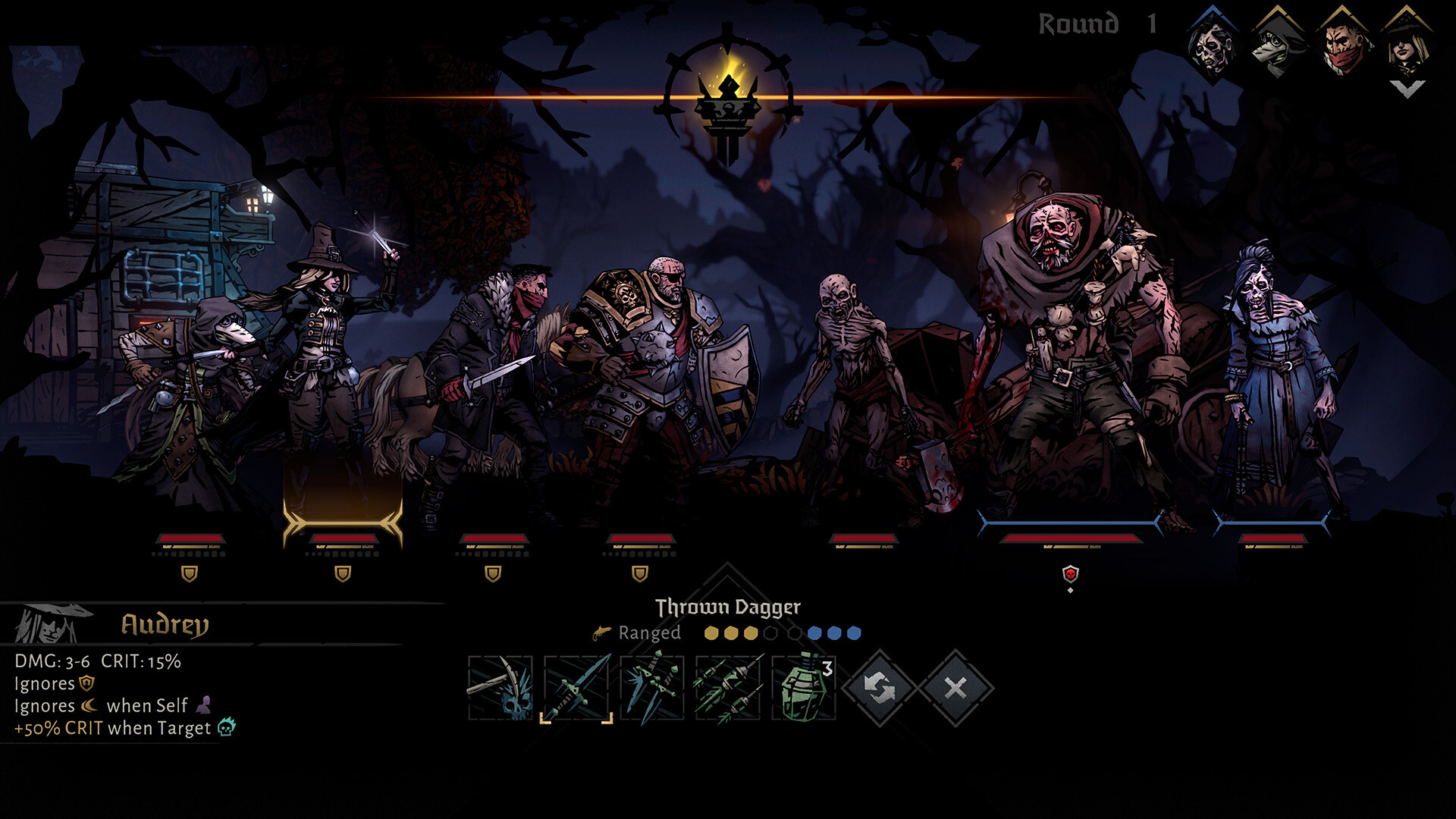
The sequel went full roguelike and it was the right call. The original's town management is gone, replaced by carriage runs through a Lovecraftian apocalypse. The stress mechanic still ruins your day, but now it's attached to a tighter, faster loop.
Party management is the core skill. You're not just building one character, you're balancing a team of four against enemies that target your weakest link. The relationship system between party members adds a social dynamics layer that no other roguelike touches.
Why it's here: Tactical depth and real consequences for bad decisions. CRPG fans who want shorter runs and more tension.
11. Enter the Gungeon
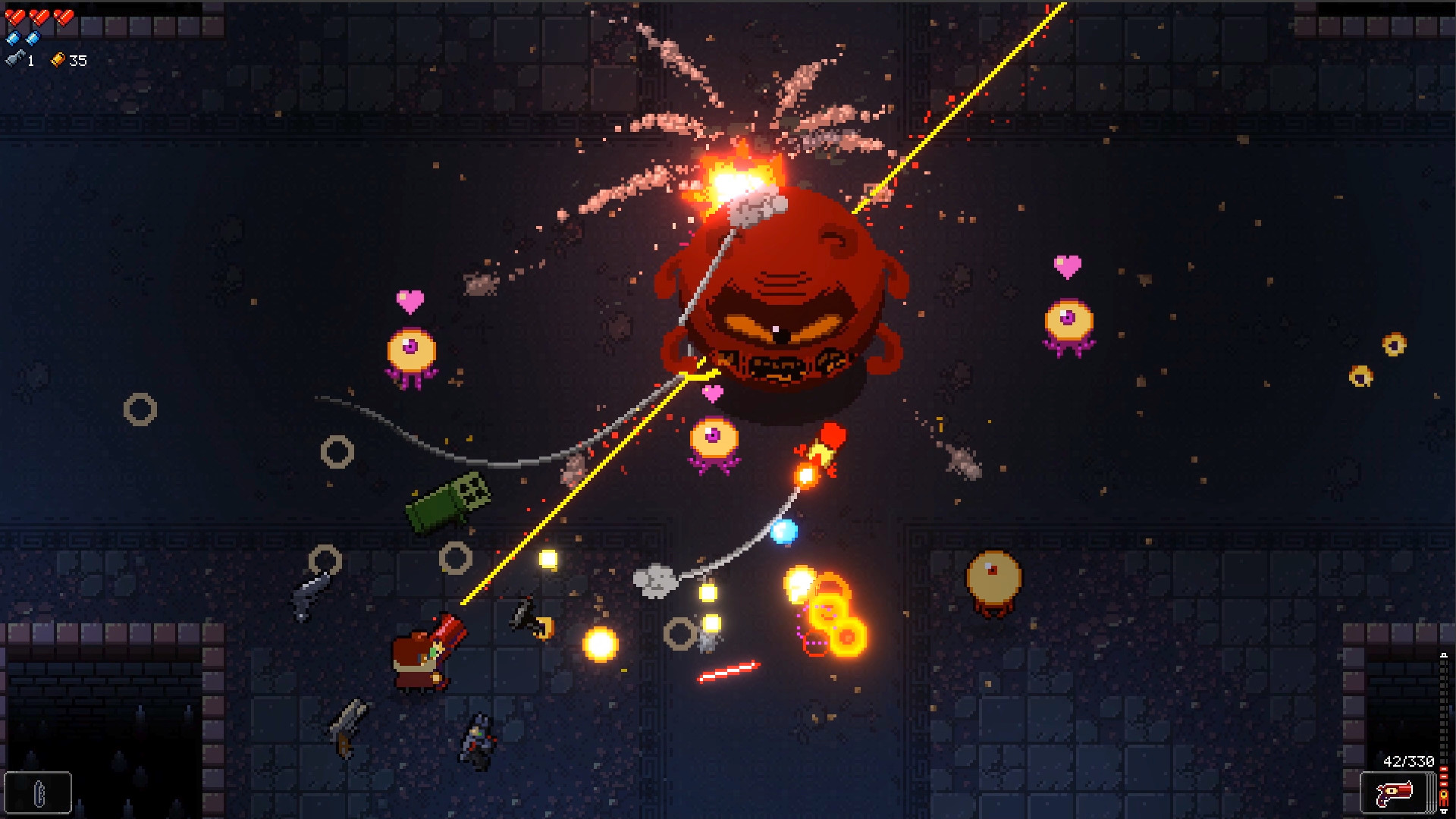
Bullet hell roguelike with more guns than any game has a right to include. The dodge roll is one of the best mechanics in the genre, a single button that doubles as defense, repositioning, and a panic button.
Skill-based progression means the game gets better as you get better. The first few hours are rough because you don't know the enemy patterns. By hour 20, you're dodging through bullet walls and clearing rooms without taking damage. The gap between "I'm terrible at this" and "I just beat the past" is the whole point.
Why it's here: Pure skill-based progression. When you improve, you feel it.
12. Brotato
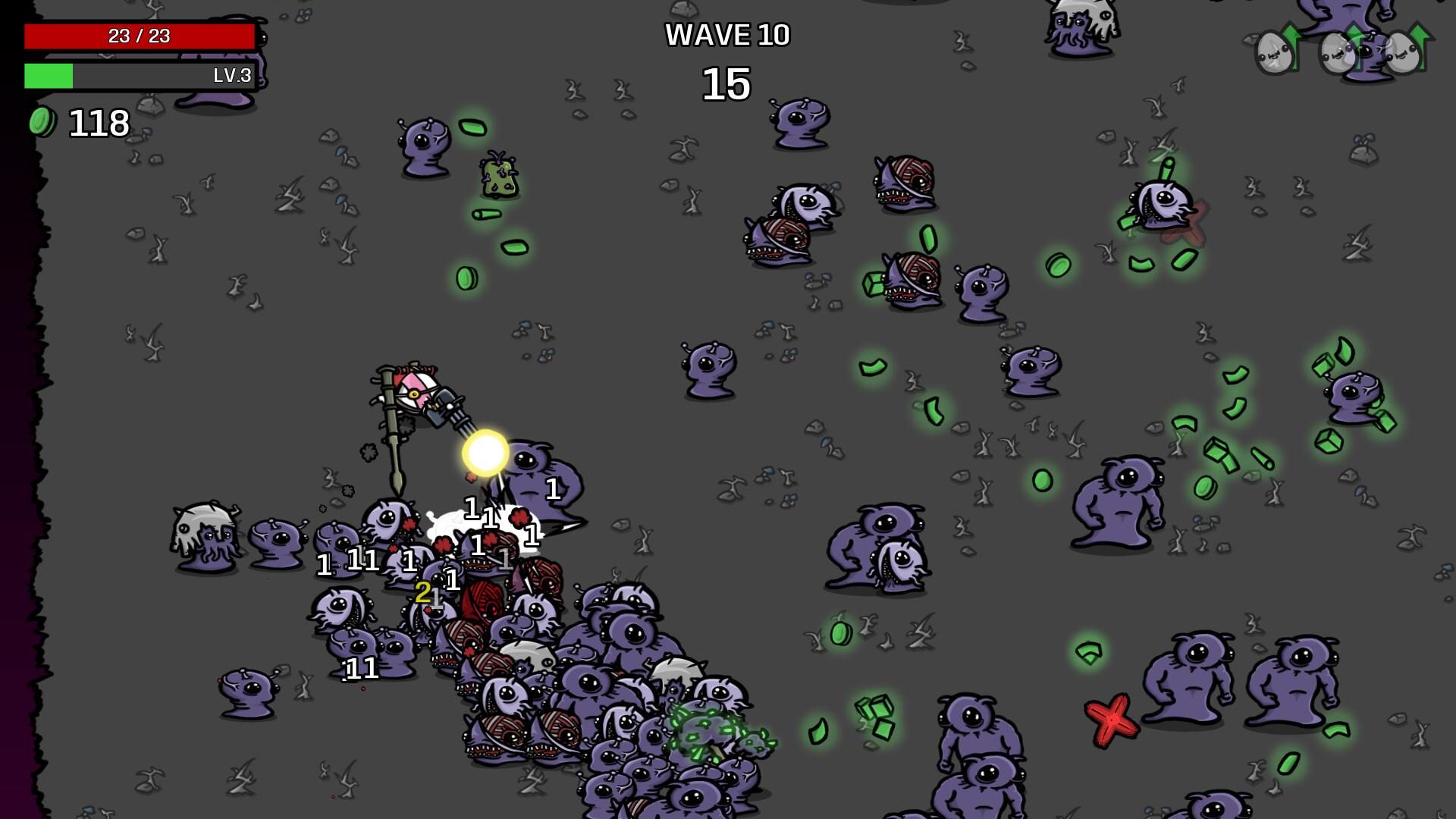
The Vampire Survivors formula refined into a wave-based arena shooter. You're a potato. You have guns. It works.
Runs are shorter than VS (30 waves, usually 15-20 minutes), builds are wilder because you can hold six weapons simultaneously, and it never takes itself seriously. The shop between waves adds a decision layer that VS deliberately avoids, making it the better game if you actually want to strategize between the chaos.
Why it's here: VS fans who want more direct control and faster runs. Also, you're a potato with a minigun.
Honorable Mentions
- Have a Nice Death - Action roguelike with gorgeous animation and a workaholic Grim Reaper. Underrated.
- Gunfire Reborn - FPS roguelike with Borderlands-style gun variety. Great co-op.
- Cult of the Lamb - Roguelike meets base builder meets cult management. The tonal whiplash is the whole point.
- Caves of Qud - Traditional roguelike for people who want depth over graphics. The simulation is startlingly deep.
- Vampire Crawlers - Poncle's spinoff drops April 21. If it captures even half the VS magic with actual character control, it's climbing this list fast.
FAQ
Do I need to play Slay the Spire 1 before 2? No. STS2 stands on its own, but you'll appreciate the refinements more if you know what the original did. If you're short on time, jump straight into 2 — it's better in every measurable way.
What's the difference between a roguelike and a roguelite? Purists will fight you over this. Practically: roguelikes have permadeath and runs start from scratch. Roguelites carry some progression between runs (unlock new cards, characters, etc.). Most games on this list are technically roguelites. We use "roguelike" colloquially because everyone else does and life is too short.
Which of these should I play first? Slay the Spire 2 if you like strategy. Hades if you like action. Balatro if you think you don't like roguelikes. Vampire Survivors if you have fifteen minutes and want to lose two hours.


